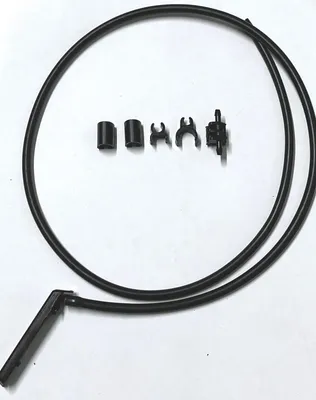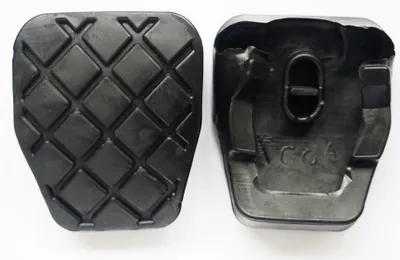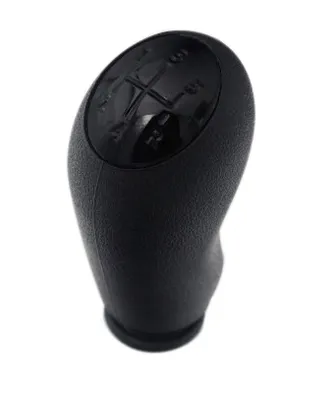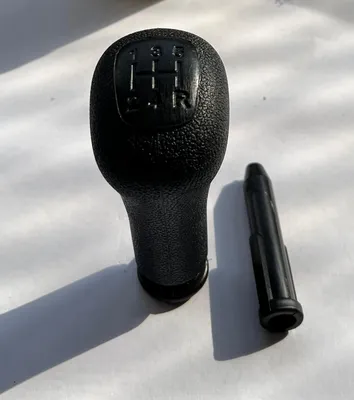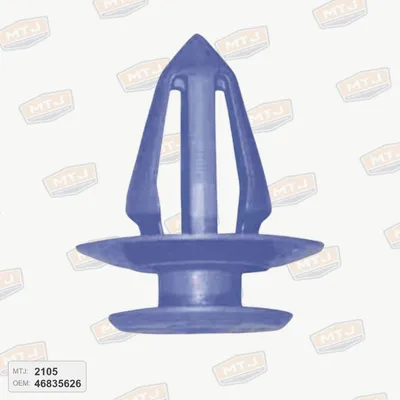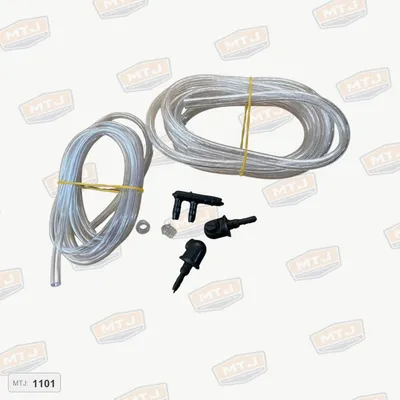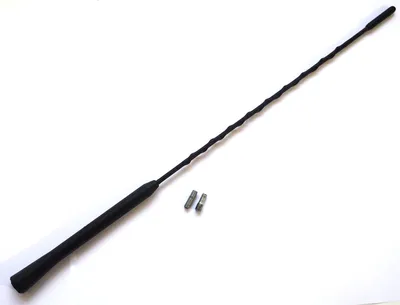
Every company that sells car parts runs into the same question at some point: are aftermarket car parts as good as the original? There is no one-word answer, because “aftermarket” is not a quality level but a supply channel. Excellent parts come through that channel, and so do parts that break on first fitting. What matters for a wholesaler is being able to tell the two apart before placing an order.
Aftermarket vs OEM parts: what do the terms mean?
- OEM (original): The part sold through the authorised channel under the vehicle manufacturer’s own reference number.
- OES: The company that makes the part for the vehicle manufacturer selling the same part under its own brand.
- Aftermarket: An equivalent part made by independent manufacturers to OEM dimensions. This is what is searched for as “pièces adaptables” in French, “Nachbauteile” in German and “ricambi aftermarket” in Italian.
An aftermarket part is matched to an OEM number. That match is meant to guarantee dimensions and mounting points; material and service life are decided by the manufacturer.
Three things that determine aftermarket car parts quality
1. Raw material. This is where the biggest difference lies in plastic and rubber parts. A part in the engine bay has to withstand heat, a part on the exterior trim has to withstand UV, and a pedal rubber has to withstand constant friction. Material that does not suit the operating conditions comes back within a few months as cracking, hardening or colour fading.
2. Mould and tolerance. Whether a clip clicks into its housing depends on the precision of the mould. A deviation of a few tenths of a millimetre means a part that is hard to fit or will not stay in place. A company that designs and builds its moulds in-house controls that tolerance directly. At MTJ Auto, no stage from mould design to series production is outsourced – the standard to look for among aftermarket car parts manufacturers.
3. Consistency. A part that arrives right in the first batch and then changes in later batches is the most expensive scenario for a wholesaler. A supplier that can produce again and again with the same mould and the same raw material specification keeps the promise you make to your customer.
What to look for in a sample
Asking for a sample before a production order is the most conclusive form of quality control. Carry out these four checks on the sample:
- Dimensions: Place it side by side with the OEM part and compare the critical dimensions.
- Fitting: Fit and remove the part; there should be no forcing or play.
- Material: Test flexibility on parts that flex and brittleness on rigid parts.
- Label and packaging: Does it arrive in your market’s language, with a code your system can read?
The right question for a wholesaler
Instead of “Is this part original?”, the question to ask is: “Who makes this part to the same quality, time after time, with the correct OEM match?” Send us your OEM list; we will match it against our catalogue and come back to you with the lines we can supply and the sample options.
For our factory-direct supply terms and the application form, see the Wholesale and Distribution page.